
Fast Like It Matters
Fast Like It Matters
As a church, we don’t begin the year casually — we begin it intentionally.
That’s why every January, Zeal City steps into 21 Days of Prayer and Fasting. Not because fasting is trendy or extreme, but because some things in life won’t change through prayer alone.
Jesus said it plainly:
“This kind comes out only by prayer and fasting.”
(Matthew 17:21)
There are things you can’t just pray away.
You have to fast your way through them.
What Fasting Really Is
At its core, fasting is simple:
Fasting is physical obedience with a spiritual result.
You abstain, typically from food, for a spiritual purpose. When you remove what normally sustains you physically, you intentionally turn to God for spiritual sustenance instead.
Where you would normally reach for comfort, distraction, or habit, you reach for God’s Word.
When we empty ourselves, God fills us.
Over and over again, Scripture shows us that when God is put first, everything else finds its proper place. Many people experience breakthrough months later because of a decision made in January. Fasting reorders our priorities and reminds us who we depend on.
When Willpower Isn’t Enough
In Luke 6, Jesus is teaching in the synagogue when He notices a man with a withered right hand.
“On another Sabbath day, a man with a deformed right hand was in the synagogue.”
(Luke 6:6)
Notice something important:
This man is in church, in the presence of Jesus, and yet he still has a withered place in his life.
That should encourage us.
You can love God, worship faithfully, show up consistently — and still carry areas of pain, dysfunction, or powerlessness. A withered hand represents something that once worked, once moved, once had strength… but no longer does.
Loss happened. Pain happened. Disappointment happened. And now that area feels stuck.
And yet — the man kept coming to church.
If that’s you, that’s courage.
That’s why every January, Zeal City steps into 21 Days of Prayer and Fasting. Not because fasting is trendy or extreme, but because some things in life won’t change through prayer alone.
Jesus said it plainly:
“This kind comes out only by prayer and fasting.”
(Matthew 17:21)
There are things you can’t just pray away.
You have to fast your way through them.
What Fasting Really Is
At its core, fasting is simple:
Fasting is physical obedience with a spiritual result.
You abstain, typically from food, for a spiritual purpose. When you remove what normally sustains you physically, you intentionally turn to God for spiritual sustenance instead.
Where you would normally reach for comfort, distraction, or habit, you reach for God’s Word.
When we empty ourselves, God fills us.
Over and over again, Scripture shows us that when God is put first, everything else finds its proper place. Many people experience breakthrough months later because of a decision made in January. Fasting reorders our priorities and reminds us who we depend on.
When Willpower Isn’t Enough
In Luke 6, Jesus is teaching in the synagogue when He notices a man with a withered right hand.
“On another Sabbath day, a man with a deformed right hand was in the synagogue.”
(Luke 6:6)
Notice something important:
This man is in church, in the presence of Jesus, and yet he still has a withered place in his life.
That should encourage us.
You can love God, worship faithfully, show up consistently — and still carry areas of pain, dysfunction, or powerlessness. A withered hand represents something that once worked, once moved, once had strength… but no longer does.
Loss happened. Pain happened. Disappointment happened. And now that area feels stuck.
And yet — the man kept coming to church.
If that’s you, that’s courage.
Step One: “I Can’t”
The first step toward healing is naming the truth:
I can’t.
Some of us are exhausted because we keep trying to control what we simply cannot control. We cope in ways that make us look functional, food, scrolling, work, anger, control, distraction — while quietly dying inside.
It’s possible to be impressive and powerless at the same time.
There is freedom in finally admitting, “I don’t have this.”
Scripture is full of people who said, “But I…”
But I’m too old.
But I’m not qualified.
But I already tried.
Yet God consistently responds with a greater truth:
But God.
Step Two: “He Can”
When we replace “but I” with “but God,” everything shifts.
I can’t control this, but God can
I can’t break this cycle, but God can
I can’t heal this wound, but God can
The man in Luke 6 is asked to do something uncomfortable: stand up and expose the very thing that isn’t working. And when he does, Jesus restores his hand completely.
Healing didn’t come through hiding.
It came through surrender.
Step Three: “I Think I’ll Let Him”
This is the hardest step.
Many of us admit we can’t.
We even believe God can.
But the real question is: will we let Him?
There’s a difference between willfulness and willingness.
Willfulness says, “I’ve got this.”
Willingness says, “I don’t.”
Willfulness grips tightly.
Willingness opens hands.
When we surrender control, God doesn’t lead us into harm, He leads us into freedom. Not always comfort, but always transformation.
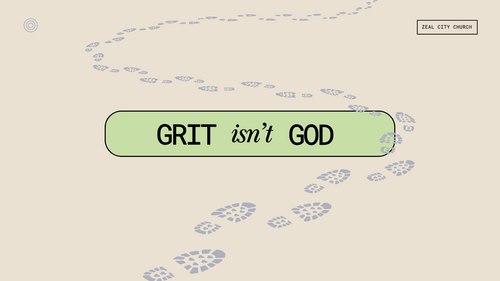
Fasting helps break our grip. It confronts our self-reliance and teaches us dependence. It reminds us that grit isn’t God — and willpower alone was never meant to carry us.
The first step toward healing is naming the truth:
I can’t.
Some of us are exhausted because we keep trying to control what we simply cannot control. We cope in ways that make us look functional, food, scrolling, work, anger, control, distraction — while quietly dying inside.
It’s possible to be impressive and powerless at the same time.
There is freedom in finally admitting, “I don’t have this.”
Scripture is full of people who said, “But I…”
But I’m too old.
But I’m not qualified.
But I already tried.
Yet God consistently responds with a greater truth:
But God.
Step Two: “He Can”
When we replace “but I” with “but God,” everything shifts.
I can’t control this, but God can
I can’t break this cycle, but God can
I can’t heal this wound, but God can
The man in Luke 6 is asked to do something uncomfortable: stand up and expose the very thing that isn’t working. And when he does, Jesus restores his hand completely.
Healing didn’t come through hiding.
It came through surrender.
Step Three: “I Think I’ll Let Him”
This is the hardest step.
Many of us admit we can’t.
We even believe God can.
But the real question is: will we let Him?
There’s a difference between willfulness and willingness.
Willfulness says, “I’ve got this.”
Willingness says, “I don’t.”
Willfulness grips tightly.
Willingness opens hands.
When we surrender control, God doesn’t lead us into harm, He leads us into freedom. Not always comfort, but always transformation.
Fasting helps break our grip. It confronts our self-reliance and teaches us dependence. It reminds us that grit isn’t God — and willpower alone was never meant to carry us.
Why We Fast
We fast because:
Some breakthroughs require surrender, not strength
Some strongholds don’t fall through effort, but obedience
Some areas only heal when exposed to the light
This fast isn’t about proving discipline.
It’s about declaring dependence.
As a church, we are saying together:
I can’t.
He can.
And I think I’ll let Him.
That’s where freedom begins.
We fast because:
Some breakthroughs require surrender, not strength
Some strongholds don’t fall through effort, but obedience
Some areas only heal when exposed to the light
This fast isn’t about proving discipline.
It’s about declaring dependence.
As a church, we are saying together:
I can’t.
He can.
And I think I’ll let Him.
That’s where freedom begins.
No Comments